heating guide
Electric vs. Propane Garage Heaters
Compare electric and propane garage heat by installation, output, ventilation, moisture, operating constraints, and safety.
Commercial status: This draft contains no affiliate links or product recommendations. The equipment comparison is based on general operating characteristics and cited documentation.
The practical difference
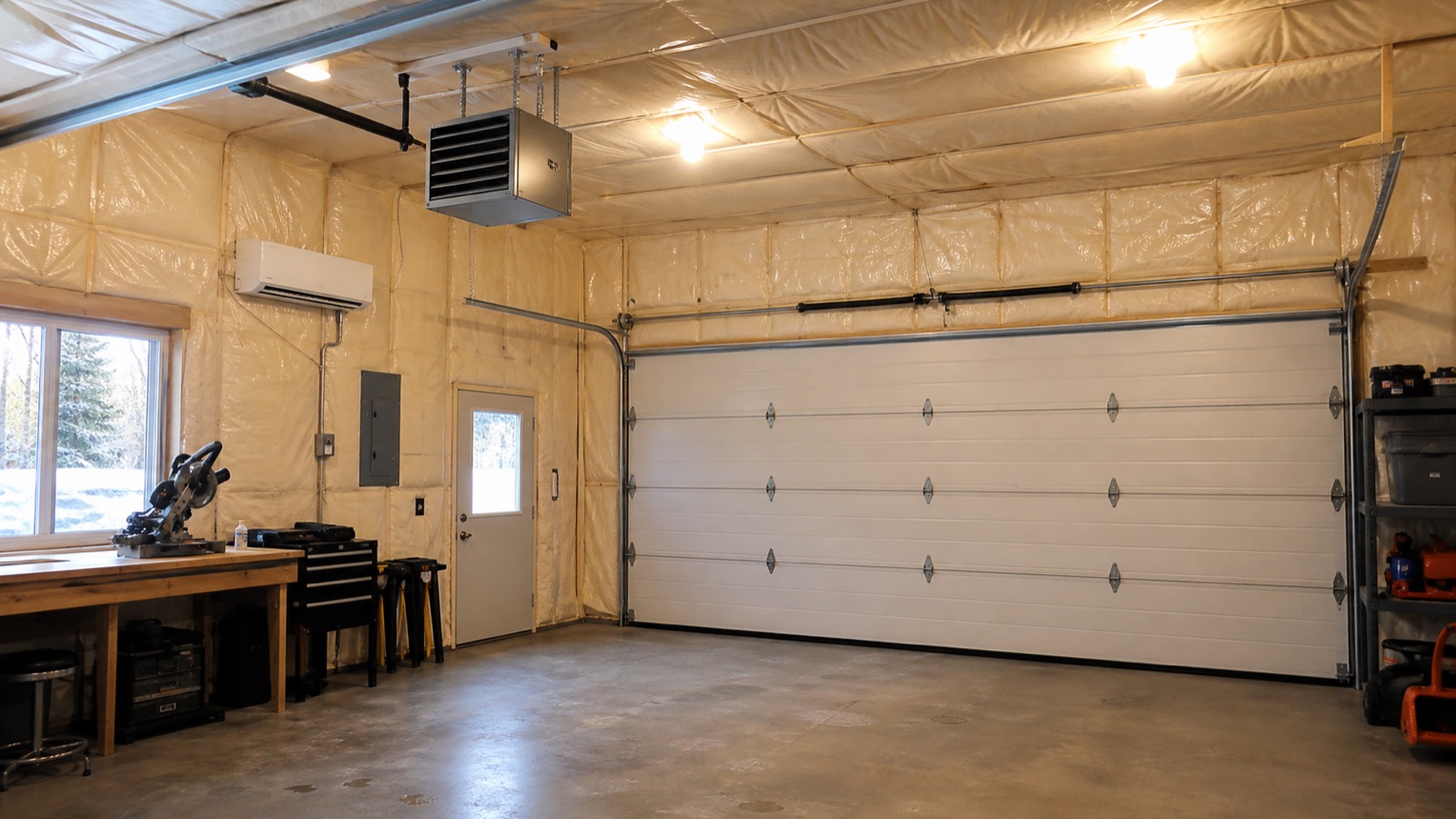
Electric resistance heaters avoid on-site combustion and exhaust, but large units can exceed existing circuit capacity. Propane equipment can provide high portable output, yet combustion products, clearances, fuel storage, and whether the model is approved for indoor use become central constraints.
Comparison
| Factor | Electric resistance | Propane |
|---|---|---|
| Point-of-use emissions | None | Depends on venting and appliance type |
| Installation | Outlet or dedicated circuit | Fuel supply; venting for vented units |
| Added water vapor | No | Unvented combustion adds moisture |
| Recovery output | Limited by electrical service | Often high, model-dependent |
| Best fit | Smaller, well-defined zones | Approved installations needing high output |
Evidence status
No products have been personally tested or inspected for this page. Any future recommendations must be researched against current manuals, listings, cold-weather behavior, clearances, and warranty terms before publication.
Safety boundary
Use only equipment listed and labeled for the location and follow the installation manual. Have new circuits, gas piping, vents, and permanent heaters installed or reviewed by qualified professionals where required.